
Donate to UNCF
  • Scholarships
  • Who We Are
    • Who We Are
    • Our Mission
    • Member HBCUs
    • Local Offices
    • Get to Know the CEO
    • FDPRI
    • Capital Campaign
  • Get Involved
    • Get Involved
    • Ways to Donate to Help Students
    • Events
    • Federal Policy & Advocacy
    • K-12 Advocacy
    • Volunteers
    • “A Mind Is…” Giving Society
  • Our Impact
    • Students
    • Parents
    • Alumni
    • Colleges
    • Churches
    • Workplace
    • Major Donors

Join us in our fight for better futures.

UNCF — A Mind is a Terrible Thing to Waste®

Join us in our fight for better futures.

  • Scholarships
  • Who We Are
    • Who We Are
    • Our Mission
    • Member HBCUs
    • Local Offices
    • Get to Know the CEO
    • FDPRI
    • Capital Campaign
  • Get Involved
    • Get Involved
    • Ways to Donate to Help Students
    • Events
    • Federal Policy & Advocacy
    • K-12 Advocacy
    • Volunteers
    • “A Mind Is…” Giving Society
  • Our Impact
    • Students
    • Parents
    • Alumni
    • Colleges
    • Churches
    • Workplace
    • Major Donors
Donate to UNCF
UNCF — A Mind is a Terrible Thing to Waste®
Donate
  • Introduction
  • Impact
  • Innovate
  • Inspire
  • Invest
  • Financials
  • Officers and Directors
  • Annual Report 2025
  • Financial Statement
  • Officers and Directors – Fiscal Year 2025
  • Our Mission
  • Download Annual Report

Introduction

  • Directors’ Letter

Impact

  • HBCU Economic Impact Report Reveals Universities’ Unmatched Contributions, Urgent Funding Needs
  • Groundbreaking UNCF Study Highlights Importance of Black Teachers
  • New Research from UNCF, Healthy Minds Network Shows Strong Mental Health Outcomes Among HBCU Students
  • UNCF Report Highlights HBCUs’ Role in Strengthening the Black Teacher Pipeline
  • Biden Administration Announces Big Investment Totals for HBCUs

Innovate

  • UNCF Launches Historic PSA Campaign
  • Project ACCLAIM Launches to Strengthen HBCU Students’ Pathways into Financial Services
  • Robert Kraft Donates $1 Million to Support New UNCF Initiative Combating Hate and Bigotry
  • Innovations at HBCUs: Spotlighting Groundbreaking Research and Achievements

Inspire

  • Children’s Book Author and STEM Nonprofit Founder Supported by UNCF Scholarship 
  • UNCF Student Leadership Conference: Donor Support Enables Students to Lead and Succeed
  • A Banner Year for Livingstone College: New Grants and Equipment Improving UNCF-Member Institution
  • Rising from the Ashes: UNCF’s Lifeline Amidst the LA Wildfires
  • Better Futures for Target Scholars: How the Program Changes Student Lives

Invest

  • $600M from Bloomberg Philanthropies Supports Four Historically Black Medical Schools to Train Next Generation of Doctors 
  • UNCF Raises $2 Million Through Walk for Education in 19 Cities to Support HBCUs and Students
  • UNCF-Style March Madness Raises $13.6M for HBCUs and their Students
  • Miles College Awarded Home Depot Innovation Lounge Grant
  • Tennis Champion Coco Gauff Gifts UNCF $100,000 to Create Scholarship for HBCU Students Playing Competitive Tennis
  • Back
  • Facebook
  • Twitter
  • Email
UNCF Abstract Flame Icon Annual Report Image Background

IMPACT

New Research from UNCF, Healthy Minds Network Shows Strong Mental Health Outcomes Among HBCU Students

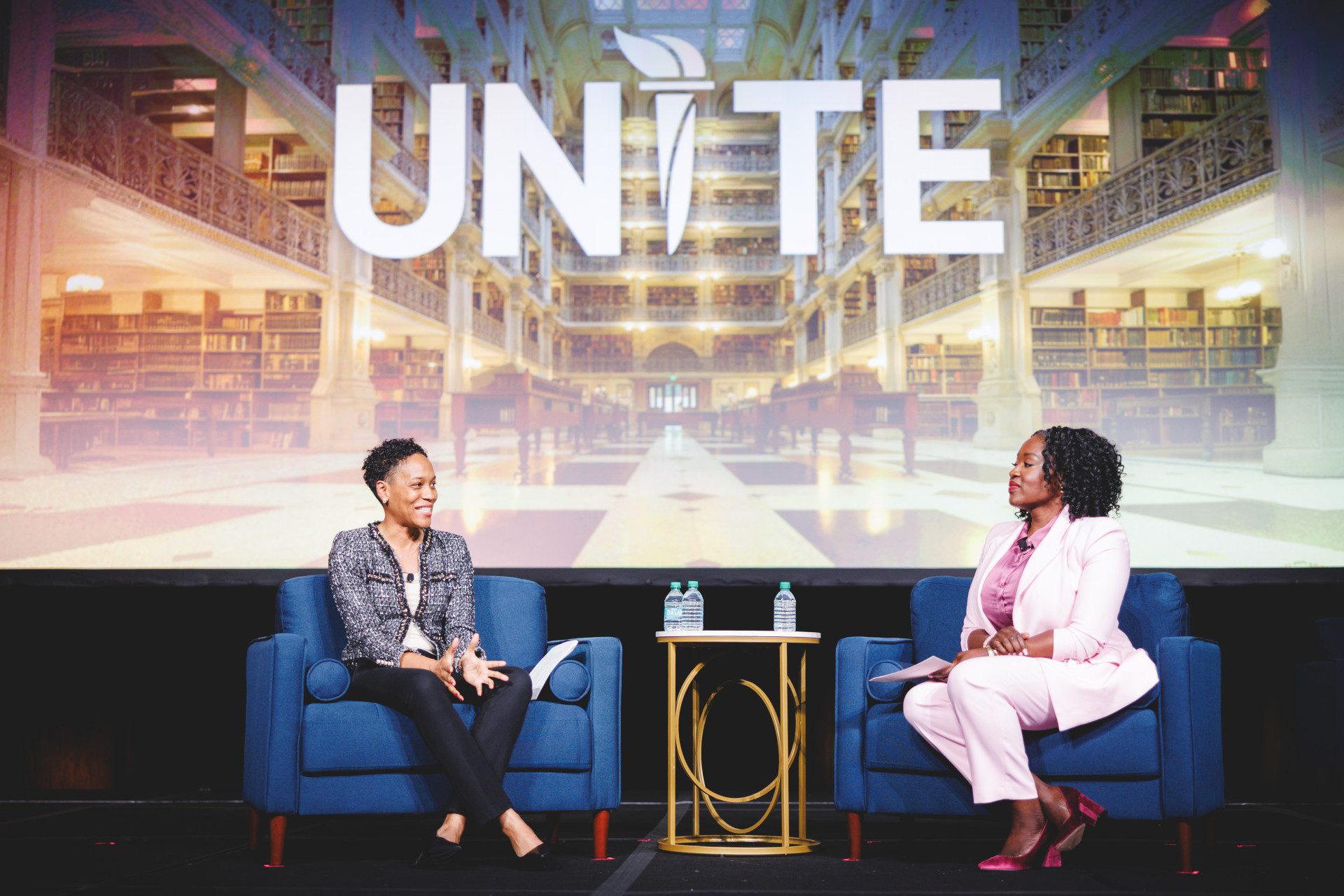
Dr. Amelia Parnell, president of NASPA (left), and Dr. Zainab Okolo, senior vice president for policy, advocacy, and government relations at The Jed Foundation (right), shared insights during a plenary session at UNITE 2025 in Atlanta, GA, centered on advancing student support and mental health.

Dr. Amelia Parnell, president of NASPA (left), and Dr. Zainab Okolo, senior vice president for policy, advocacy, and government relations at The Jed Foundation (right), shared insights during a plenary session at UNITE 2025 in Atlanta, GA, centered on advancing student support and mental health.

UNCF released groundbreaking research in FY25 that shows students at historically Black colleges and universities (HBCUs) demonstrate significantly stronger student mental health statistics compared to their peers nationally, despite facing greater financial stressors and barriers to mental health services.

The report, Flourishing: Bolstering the Mental Health of Students at HBCUs and PBIs, examined mental health indicators among 2,504 students across 16 HBCUs and two predominantly Black institutions (PBIs) during the 2022-2023 and 2023-2024 academic years.

“This research confirms what we’ve long understood about the unique power of HBCUs to nurture, not just enable, academic achievement,” said Dr. Michael L. Lomax, president and CEO, UNCF. “HBCUs provide a holistic well-being among HBCU students. Even with fewer resources than our peers, these institutions create environments where students are affirmed and celebrated, fostering remarkable mental resilience despite significant socioeconomic challenges.”

The study was conducted in partnership with UNCF’s Institute for Capacity Building, the Healthy Minds Network and The Steve Fund. Its findings support what UNCF researchers call “The HBCU Effect” on mental health:

  • Higher flourishing rates: 45% of HBCU students report “flourishing” mental health compared to 36% in national samples and 38% among Black students at predominantly White institutions (PWIs).
  • Stronger sense of belonging: 83% of HBCU students report feeling part of their campus community versus 73% nationally and 72% of Black students at PWIs.
  • Lower anxiety and substance use: HBCU students report significantly lower rates of anxiety, substance use disorders and eating disorders than the national average.
  • More open about emotions: HBCU students are significantly less likely to keep negative feelings to themselves when feeling sad (74%) compared to Black students at PWIs (86%).
  • Greater institutional trust: More HBCU students believe their institutions prioritize mental well-being (78%) compared to Black students at PWIs (73%).
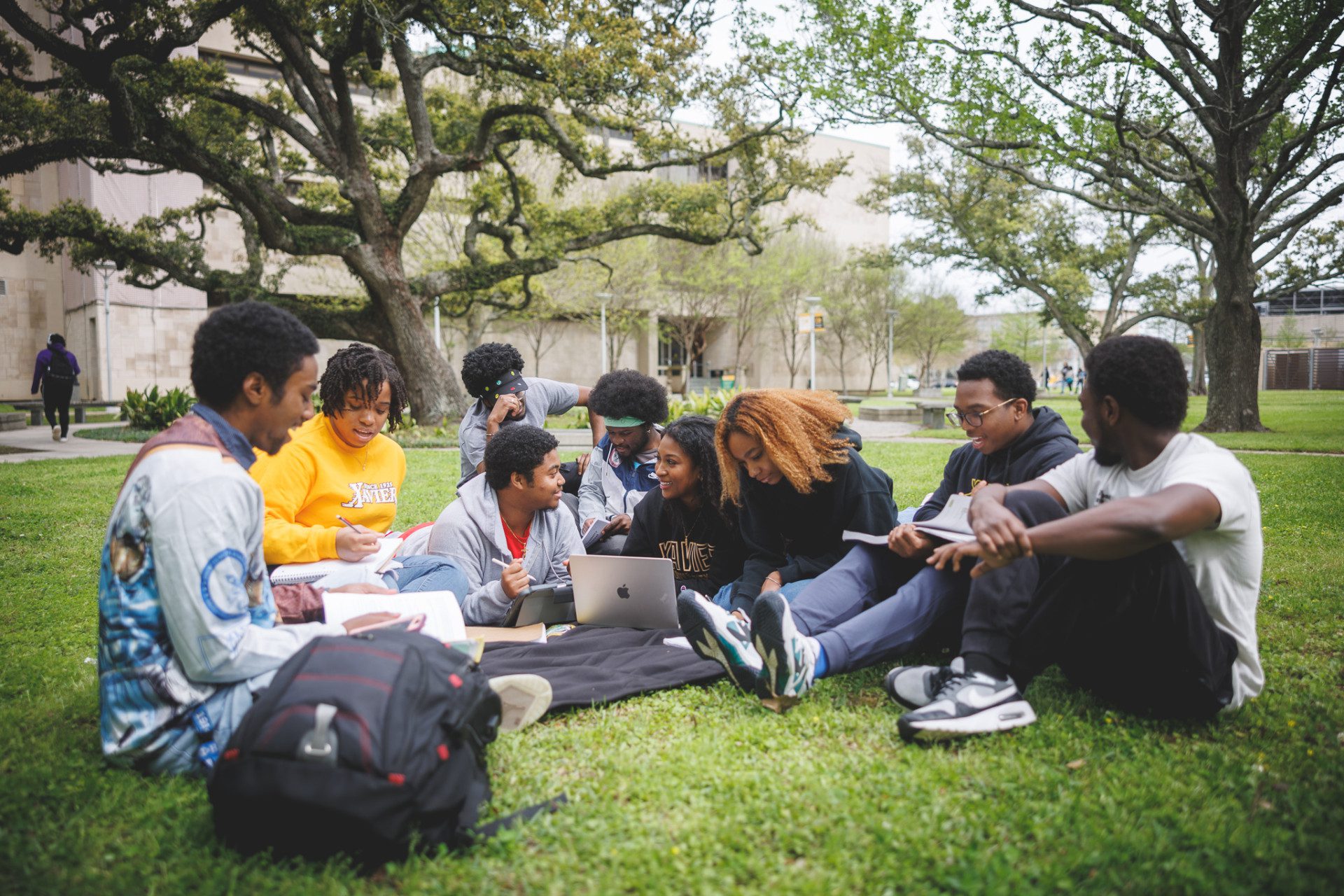
Despite these positive outcomes, the research identified notable mental health challenges for HBCU students:

  • Financial stress impacts mental health: 51% of HBCU students report their financial situation as “always” or “often” stressful, with 78% of financially stressed students experiencing one or more mental health problems.
  • Unmet treatment needs: 54% of HBCU students with moderate to severe symptoms reported receiving no mental health treatment, higher than both the national average (41%) and Black students at PWIs (47%).
  • Stigma remains a barrier: HBCU students report higher rates of perceived stigma around mental health treatment (52%) compared to national averages (41%).

While HBCUs are achieving remarkable outcomes with limited resources, their students still face significant barriers to receiving mental health support.

“With targeted investment and policy changes, we could dramatically improve outcomes for these resilient students. These findings demand attention from policymakers and higher education leaders,” Dr. Lomax added.

These findings reinforce what UNCF has championed for more than eight decades—that investing in HBCUs and their students strengthens not only individuals but entire communities and our nation’s future. When students are supported academically, emotionally and financially, they flourish. And when they flourish, they go on to build stronger communities, more vibrant workplaces and better futures for us all. As UNCF’s motto reminds us, “A mind is a terrible thing to waste.”®

UNCF Logo UNCF — A Mind is a Terrible Thing to Waste®

Join us in our fight for better futures.

  • The Latest
  • UNCF Annual Report
  • 2024 Economic Impact Report
  • Media Center
  • Research
  • Careers
  • Contact
  • UNCF On Facebook
  • UNCF On Twitter
  • UNCF On Instagram
  • UNCF On LinkedIn
  • The Latest
  • UNCF Annual Report
  • 2024 Economic Impact Report
  • Media Center
  • Research
  • Careers
  • Contact

If you have questions about trusts, wills, bequests, or have other estate or planned giving inquiries, please contact the office of major gifts and planned giving at plannedgiving.uncf.org or call 202.810.0168.

© 2026 UNCF. All Rights Reserved

United Negro College Fund, Inc., is a recognized 501(c)(3) nonprofit; federal EIN, 13-1624241.

  • Privacy Policy
  • Terms & Conditions
  • Linking Policy
  • Copyright
  • EEO Policy
  • DMCA
Also of Interest
  • Ways to Donate to Help Students
  • Leading Minority Education Organization
  • Students Share How Donations Make a Difference