How and When to Fill Out the FAFSA
If you plan to attend college between July 1, 2026 and June 30, 2027, you must prioritize the Free Application for Federal Student Aid, commonly known as the FAFSA. This single form serves as the gateway to federal grants, work-study programs and student loans. States and colleges also use your FAFSA data to award their own financial aid.
Filing the FAFSA early ensures you remain in the running for aid that often operates on a first-come, first-served basis. Use this guide to master the timeline and the application process.
When to File: Mark Your Calendar
The 2026-27 FAFSA cycle opened on October 1, 2025. While the federal deadline for this cycle does not hit until June 30, 2027, waiting that long could cost you thousands of dollars in aid.
Three different deadlines typically apply to every student:
- The College Deadline: Many schools set priority dates as early as January 1. Check each school’s financial aid website to avoid missing out on institutional grants.
- The State Deadline: States like Illinois, Texas and New Jersey often lead the nation in completion rates because they have strict deadlines or require filing for high school graduation. You can find your specific state’s deadline on the official Federal Student Aid website.
- The Federal Deadline: The final cutoff occurs at the end of the academic year.
Recent data from the National College Attainment Network shows that nearly 33% of the high school class of 2026 had already completed their FAFSA by late 2025. Submitting your FAFSA early gives you the clearest picture of your college costs before you commit to a school.
A Step-by-Step Guide to Filling Out the FAFSA
 The U.S. Department of Education simplified the application process through the FAFSA Simplification Act. Most applicants now complete the form in less than 30 minutes.
1. Create Your StudentAid.gov Account
Every contributor—including the student and any parent or spouse who provides information—must create an account. For the 2026-27 cycle, users with Social Security numbers receive immediate identity verification. That improvement eliminates the old three-day waiting period, allowing you to start and finish the form in one session.
2. Identify Your Contributors
The student begins the form and invites others to participate. If you are a dependent student with divorced or separated parents, use the Who’s My FAFSA Parent? wizard. The tool helps you identify which parent provides the most financial support.
3. Provide Consent to Share Tax Data
The 2026-27 FAFSA uses 2024 tax information. You must provide consent for the IRS to transfer your federal tax information directly into the form. Even if you did not file taxes in 2024, you still must provide this consent to remain eligible for federal aid.
4. List Your Schools
You can list up to 20 colleges on the online form. These schools receive your information automatically once the Department of Education processes your application.
Key Changes for the 2026-27 Cycle

Several updates affect how the government calculates your aid this year:
- Student Aid Index (SAI): The SAI replaced the old Expected Family Contribution (EFC). The formula determines your eligibility for Pell Grants.
- Small Business and Farm Assets: For the first time, families must report the net worth of small businesses and family farms as assets, regardless of the number of employees.
- New Loan Limits: As of July 1, 2026, new annual and lifetime caps apply to graduate and Parent PLUS loans. Parents may now only borrow up to $20,000 per dependent student annually, with a $65,000 aggregate limit.
Final Thoughts: File Early, File Smart
 Completing the FAFSA is not just another item on your college checklist. It is the key to grants, scholarships, work-study and federal loans that can make higher education more affordable.
Mark your calendar. Gather your documents. Create your StudentAid.gov account. Then file as soon as possible. Early submission gives you access to more aid opportunities, clearer financial award letters and more time to compare offers before you make one of the biggest decisions of your life.
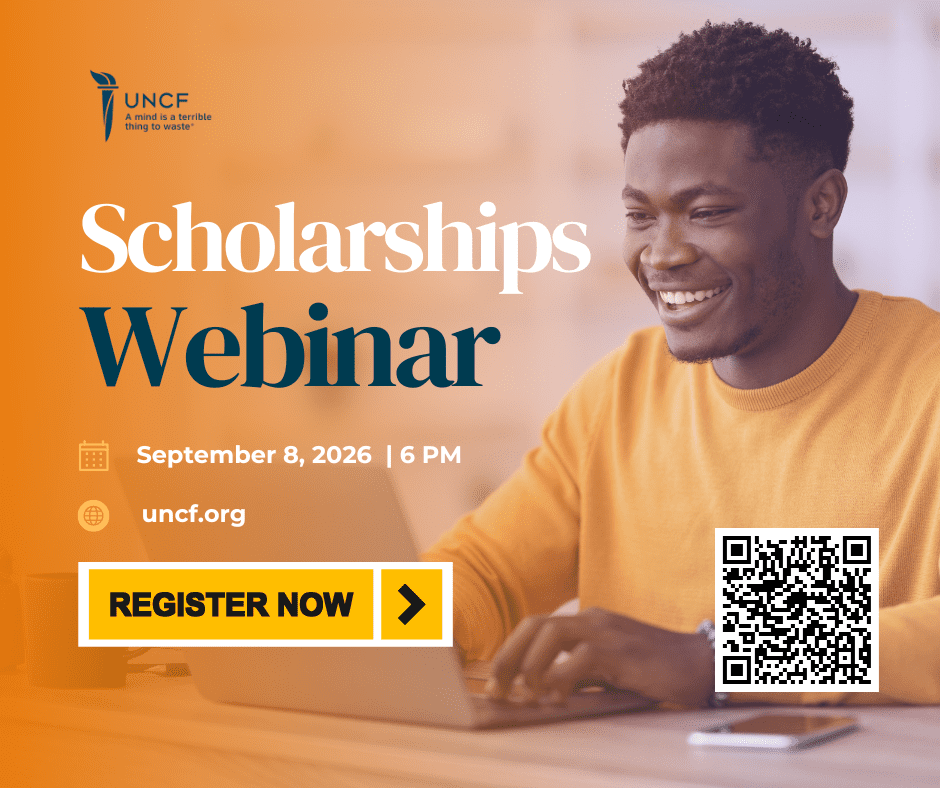
Filing the FAFSA also opens the door to private scholarships and support programs, including opportunities connected to UNCF. UNCF supports students attending historically Black colleges and universities (HBCUs) and other institutions by providing scholarships that can close critical funding gaps as well as mentorship, internship and fellowship opportunities. Many of these awards require a completed FAFSA to determine eligibility.
The 2026–27 FAFSA cycle is simpler and faster than ever. Most families can complete it in less than 30 minutes. A half hour today could mean thousands of dollars in support tomorrow.
Do not wait for the federal deadline. Aim for your state and college priority dates instead. Filing early strengthens your financial aid package and positions you for additional scholarship support through organizations like UNCF. When it comes to paying for college, preparation is power—and it starts with the FAFSA.