A Guide to HBCU Greek Life and Student Organizations
Key Takeaways
- HBCU student organizations create opportunities for friendship, leadership and career preparation.
- Historically Black fraternities and sororities emphasize scholarship, service and lifelong connection.
- Academic, cultural, faith-based and service organizations help students find communities that fit their interests.
- Thoughtful involvement matters more than joining as many groups as possible.
At a historically Black college or university (HBCU), joining a fraternity, sorority, club or student organization can connect you with traditions that extend far beyond campus. You can find mentors, develop practical skills and contribute to a community rooted in achievement. Those experiences may become some of the most meaningful parts of your HBCU journey.
Why Campus Involvement Matters at an HBCU
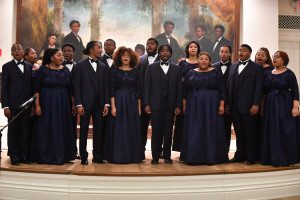
Fisk University Jubilee Singers.
HBCUs have long created environments where students can learn, lead and thrive. The U.S. Department of Education notes that HBCUs welcome students of all races while maintaining their historic mission to educate Black Americans.
Campus organizations bring that mission to life outside the classroom. They give students spaces to celebrate culture, discuss ideas and work toward shared goals. At Florida A&M University, for example, students can choose from more than 300 registered student organizations.
The organization you choose to join might connect to your major, hometown, faith, political interests, cultural identity or favorite activity. You don’t need to arrive on campus knowing exactly where you belong. Exploring different groups can help you find your people and learn more about yourself.
What Makes HBCU Greek Life Distinctive
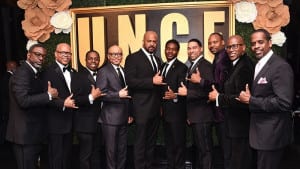
Members of Alpha Phi Alpha Fraternity, Inc., gather with Maurice E. Jenkins, Jr., UNCF’s executive vice president of development, at the 2019 Los Angeles UNCF Mayor’s Masked Ball.
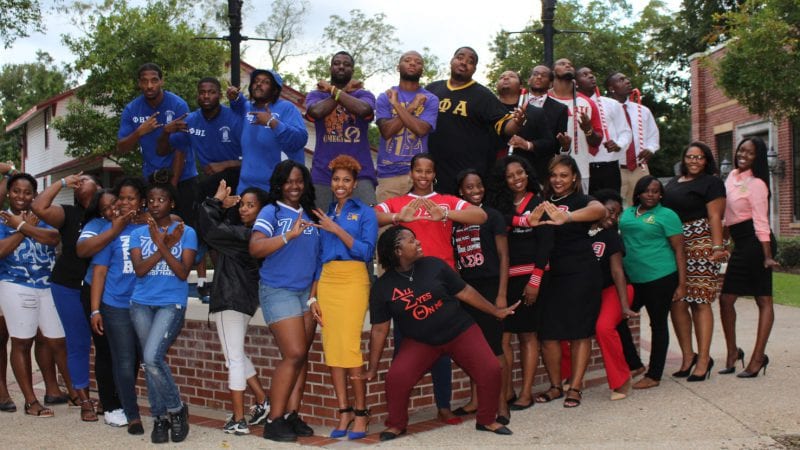
Historically Black fraternities and sororities carry a particularly important legacy. The National Pan-Hellenic Council, commonly associated with the Divine Nine, formed in 1930. Its nine member organizations grew from efforts to confront racial exclusion in higher education.
Today, the National Pan-Hellenic Council describes its organizations as communities grounded in service, academic excellence and advocacy. Members continue their involvement through graduate chapters, mentoring and community initiatives long after college.
Joining a fraternity or sorority can provide close friendships, leadership experience and access to an intergenerational network. Greek life also requires a serious commitment. Before pursuing membership, learn about each organization’s history, values, financial obligations and academic requirements. Follow your university’s official intake process and never participate in hazing.
Greek life represents one path to connection, not the only one. You can build an equally rewarding college experience through many other campus communities.
How Clubs Build Career and Leadership Skills
Student organizations provide a place to practice skills that employers value. Planning an event can strengthen budgeting and project management abilities. Leading meetings can improve public speaking and organization skills. Managing social media can build communications experience. Resolving a disagreement can teach you how to collaborate under pressure.
View UNCF internships and fellowships
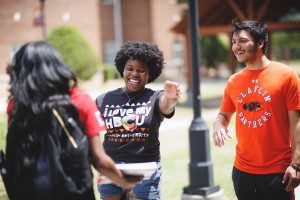 Academic and professional groups also connect classroom learning with possible careers. HBCU campus organizations help students meet faculty advisers, alumni and professionals who can offer guidance.
UNCF research reinforces the value of those connections. A report from UNCF, The HBCU Effect, identifies participation in campus organizations, including Greek life, as an important part of student socialization at HBCUs. The report also found that Greek networks offered especially meaningful support to some alumni who had not used broader HBCU networks to secure employment or pursue graduate school.
How Can Service Deepen Your HBCU Experience?
Service plays a central role in many HBCU organizations. Students tutor children, organize donation drives, support voter education and address health disparities. Those projects allow you to apply your talents while learning what communities need from responsible leaders.
Service can also change how you understand success. A strong college experience involves more than earning a degree. It includes recognizing your ability to improve others’ lives.
UNCF advances that broader vision by supporting students through scholarships and internships while strengthening a network of 36 member HBCUs. Students can complement campus involvement by exploring UNCF opportunities that support academic progress and career development.
How To Choose the Right Organization
- Attend a campus activity fair to explore your options.
- Start with one or two groups that genuinely interest you.
- Visit an open meeting before committing.
- Ask current members about weekly activities, responsibilities and time requirements.
- Consider whether the organization’s culture, schedule and expectations fit your goals.
- Protect enough time for classes, work, rest and relationships.
- Choose a community where you can contribute, grow and feel supported.
- Look for experiences that strengthen your leadership skills, commitment to service and lifelong connections.
Make Your HBCU Experience Your Own
The communities you join can help you turn college into a time of connection, discovery and purpose. Whether you find your place in Greek life, an academic club or a service organization, choose opportunities that reflect your interests and help you grow.
UNCF supports students throughout their college journeys. Explore what your campus and UNCF offer. Build an HBCU experience that prepares you to lead long after graduation.