What to Look for in a Roommate: Compatibility Tips

Key Takeaways
- Discuss sleep, study and cleaning habits before living together.
- Compare expectations about guests, shared belongings and expenses.
- Respect cultural, religious and personal differences.
- Put household expectations in writing.
- Ask a resident assistant or housing staff member for help when needed.
A great college roommate doesn’t need to become your best friend. You simply need someone whose habits, expectations and communication style can coexist with yours.
Roommate compatibility matters because your room serves as more than a place to sleep. It may also function as your study space, social hub and retreat from a busy campus schedule. At an Historical Black College and University (HBCU), shared traditions, student organizations, athletics and major events such as homecoming can add even more energy to residential life. Choosing a compatible roommate and setting expectations early can help you enjoy that experience without unnecessary stress.
Follow these tips to find a roommate that’s right for you:

Compare Daily Routines
Before choosing a college roommate, talk about what an ordinary weekday looks like for each of you. Small differences can become major frustrations when you share limited space.
Ask practical questions such as:
- What time do you usually go to sleep and wake up?
- Do you study with music, television or complete silence?
- How often do you clean?
- Do you need quiet time after classes?
- Do you work, play a sport or participate in campus organizations?
Sleep deserves special attention. The Centers for Disease Control and Prevention recommends that adults ages 18 to 60 get at least seven hours of sleep each night. A roommate who takes late-night calls or turns on bright lights at 2 a.m. could disrupt your rest, concentration and mood.
Different schedules can still work. An early riser and a night owl may live together successfully if both agree to use headphones, limit noise and prepare clothes or school supplies without waking the other person.
Talk About Cleanliness and Shared Space
Words such as “clean” and “messy” mean different things to different people. One student may feel comfortable with clothes on a chair, while another may find any visible clutter stressful.
Discuss who will handle trash, sweeping and other routine chores. Decide how often each task needs attention and how you’ll divide responsibilities. You should also clarify whether you plan to share items such as a refrigerator, microwave, television or cleaning supplies.
If you live off campus, talk about rent, utilities, groceries and transportation before signing a lease. For example, N.C. A&T State University’s off-campus housing portal lets students compare options by price, distance, amenities and roommate matching availability. Other HBCUs may offer similar tools through their housing offices.
Never assume that a friendship automatically guarantees financial compatibility. Agree on payment dates and keep records of shared expenses.

Set Boundaries for Guests and Social Time
College introduces you to new friends, classmates and campus communities. At an HBCU, activities such as organization meetings, Greek life events, football weekends and homecoming may create an especially active social calendar.
Ask potential roommates how often they expect to invite guests over. Discuss overnight visitors, advance notice and quiet hours. A roommate should never make you feel uncomfortable or unsafe in your own space.
Social preferences also matter. An outgoing student and a more private student can make good roommates, but both need to respect the room’s dual purpose. Consider choosing a neutral location such as a student center, lounge or campus green for larger gatherings.
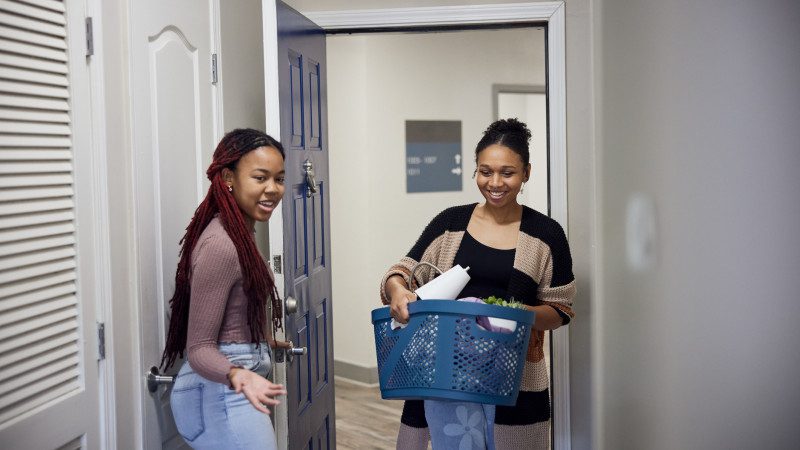
Look for Respect and Open Communication
Roommate compatibility depends less on identical personalities and more on mutual respect. Look for someone who can express concerns calmly, listen without interrupting and work toward a fair solution.
Talk honestly about cultural practices, religious observances, dietary needs and other parts of daily life that may affect your shared space. HBCUs offer rich campus communities, but students still bring different regional backgrounds, family traditions and personal experiences to college.
Students with disabilities may also need accessible housing or other accommodations. The U.S. Department of Education explains that colleges that provide housing must offer students with disabilities comparable, convenient and accessible options at the same cost. Contact disability services or the housing office early if you need an accommodation.
Create a Roommate Agreement 
A written roommate agreement turns a friendly conversation into a practical plan. Include expectations for cleaning, sleep, guests, shared property and conflict resolution. Revisit the agreement after the first few weeks because class schedules and activities may change.
Address problems while they remain manageable. Instead of accusing your roommate of never cleaning, identify the specific concern and suggest a solution. If direct communication does not help, contact your resident assistant, residence life office or landlord.
Protect Your College Experience
A healthy living arrangement can give you a stable foundation for classes, friendships and campus involvement. It can also help you practice communication, compromise and accountability.
Financial stability also plays an important role in college life. UNCF has helped more than 550,000 students earn college degrees and awards more than $62 million in scholarships annually to students at over 600 institutions, including its network of HBCUs. Exploring UNCF scholarships, internships and fellowships may help you manage college costs while building your future.
Choose a roommate based on compatibility, not popularity. Honest conversations now can lead to a calmer room, clearer boundaries and a more rewarding college experience.