7 HBCU Benefits: Why Historically Black Colleges Stand Out
Key Takeaways
- HBCUs cost less than many comparable colleges.
- Close mentorship helps students succeed.
- HBCUs strengthen the nation’s STEM workforce.
- Graduates report lasting career and well-being benefits.
- Campus traditions create belonging and lifelong connections.
- HBCUs strengthen local economies and communities.
- Leadership opportunities prepare students for life after college.
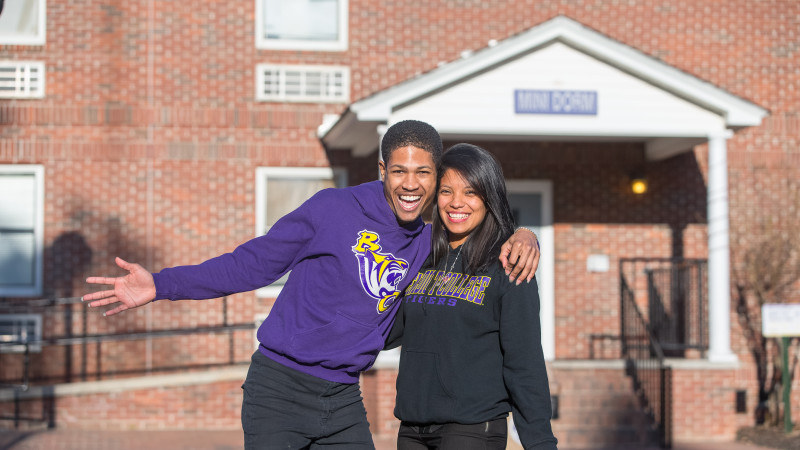
Choosing a college means looking beyond rankings and glossy brochures. You need a school where you can grow academically, build meaningful relationships and prepare for a rewarding career. Historically Black Colleges and Universities, or HBCUs, offer all three, along with a rich cultural legacy that shapes campus life.
Why choose an HBCU? Consider these seven benefits as you compare colleges.
 1. HBCUs Cost Significantly Less
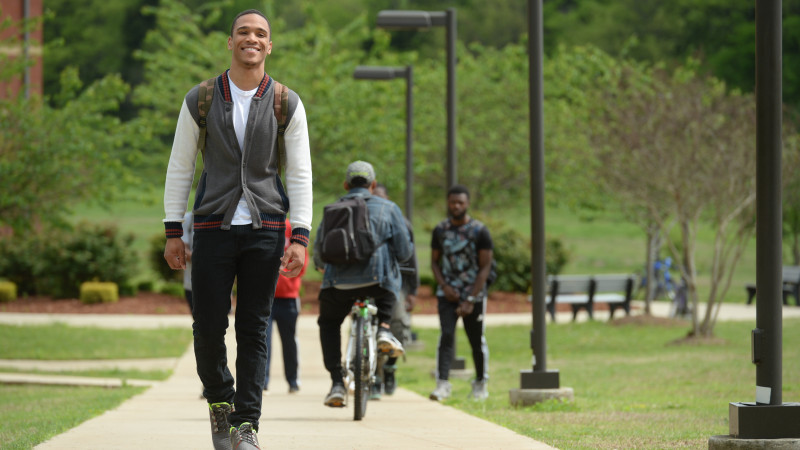
Price shapes almost every college decision, and HBCUs consistently cost less. UNCF reports that HBCUs cost, on average, 34% less than comparable institutions.
Scholarships stretch that advantage further. UNCF awards more than 13,000 scholarships to over 10,000 students each year, totaling upward of $64 million, and those dollars follow students to more than 600 colleges nationwide, including 36 UNCF-member HBCUs. Families should file the Free Application for Federal Student Aid (FAFSA) early, then compare net-price offers school by school rather than sticker prices.
2. Professors Know Your Name

Ask HBCU alumni what changed their trajectory, and most name a person, not a program. Gallup research found that 55% of Black HBCU graduates strongly agreed their college prepared them well for life after graduation, compared with 29% of Black graduates from other institutions.
That mentorship starts early. Smaller classes mean an adviser notices when you miss a lecture. A chemistry professor introduces a sophomore to a research lab. A dean makes the phone call that lands an internship. For first-generation students especially, that kind of attention turns a rough semester into a recoverable one.
 3. HBCUs Build the STEM Workforce
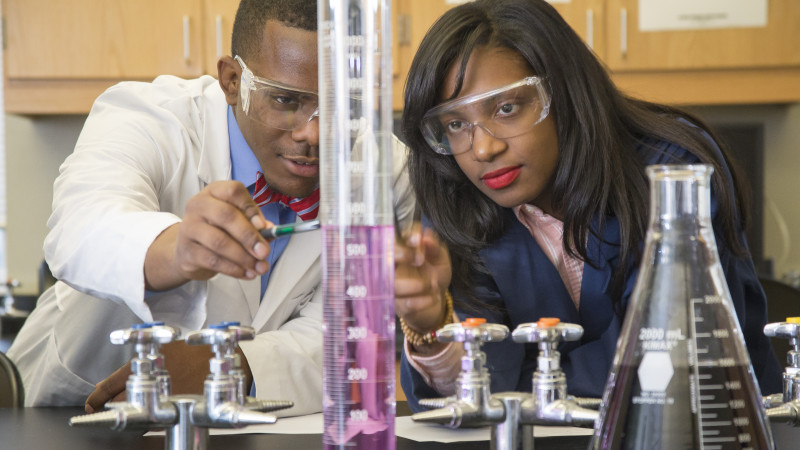
The STEM numbers surprise almost everyone. UNCF’s August 2026 report, HBCUs Still Punching Above Their Weight, found that HBCUs represent 9% of four-year bachelor’s-degree-granting institutions but enrolled 23% of Black undergraduates and awarded 28% of STEM bachelor’s degrees earned by Black students. Black women earned 20% of their STEM degrees at HBCUs.
The pipeline extends into doctoral work. The U.S. National Science Foundation identified HBCUs as seven of the top eight institutions producing Black undergraduates who later earn doctorates in engineering and science.
4. Graduates Thrive Long After Commencement

The return on investment shows up years later, and new research measures it. The Dr. N. Joyce Payne Research Center and Gallup released Proof of Promise in July 2026, the largest study of HBCU alumni ever conducted. Graduates reported a 24-point well-being advantage over Black Americans who did not attend an HBCU, and 46% said they feel engaged at work versus 31% of US workers overall.
 5. A Supportive Campus Community
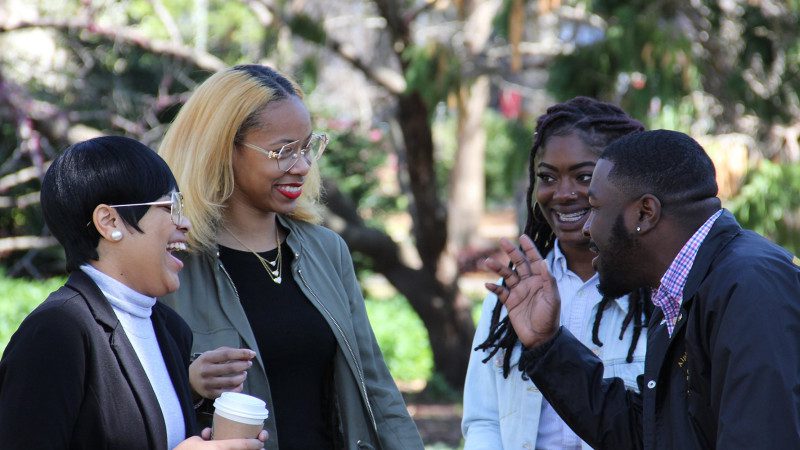
Starting college can feel overwhelming. Students must adjust to unfamiliar classes, new responsibilities and life away from home. A strong campus community can make that transition easier.
Many HBCUs emphasize close relationships among students, professors, staff and alumni. Students often find mentors who understand their experiences and want to help them succeed. Smaller classes at some institutions can also make it easier to ask questions, participate in discussions and connect with faculty members.
Parents may appreciate knowing that their student will join a community that values both academic progress and personal development. That sense of belonging can encourage students to seek help, take intellectual risks and remain engaged when college becomes challenging.
 6. Communities Grow Stronger, Too
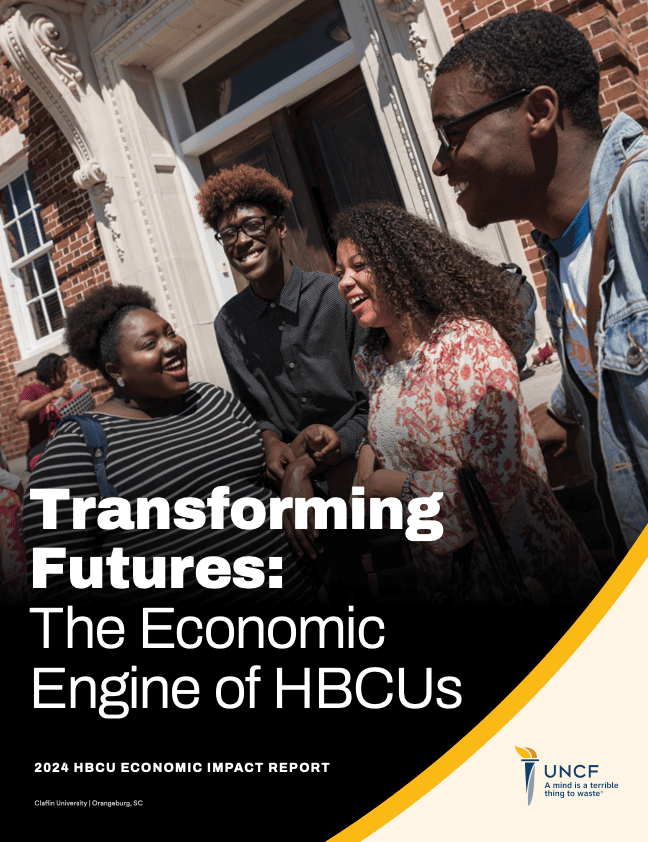
HBCUs anchor their cities economically. UNCF’s Transforming Futures report calculated that HBCUs generate $16.5 billion in annual economic impact and support 136,048 jobs nationally, while one graduating class can expect $146 billion in lifetime earnings.
Culture matters just as much. Marching bands, step shows, Divine Nine organizations and centuries-old traditions give students a place where they belong from day one and a network that answers the phone at 40 as readily as at 20.
7. Meaningful Leadership Opportunities
HBCUs help students develop leadership skills through student government, academic clubs, service projects and professional organizations. These experiences strengthen communication, teamwork and decision-making skills while preparing students for internships, careers and graduate school.
UNCF supports that growth through its Student Professional Development Programs, which connect students with leadership training, career preparation and professional networks. Such opportunities help students discover their strengths, find their voice and lead with confidence.
Is an HBCU Right for You?
Talk with current students and ask how professors, advisers and career services support their goals. You may discover that an HBCU offers the academic challenge, community and sense of purpose you want from college.
No single college fits everyone. But if you want rigorous academics, real mentorship and a community invested in your success, HBCUs deserve a serious look. Start your search at UNCF.org.