How Campus Organizations Build Student Leaders

Key Takeaways
- Campus organizations help students develop communication, teamwork and problem-solving skills.
- HBCU student organizations preserve traditions while preparing new leaders.
- Leadership roles can strengthen resumes and provide useful interview examples.
- Students do not need an official position to start leading.
College leadership does not always begin with a title. Sometimes it starts when you volunteer to organize an event, share an idea during a meeting or help a classmate feel welcome.
Campus organizations give students a place to practice leadership in real situations. Clubs, student government associations, service groups, Greek-letter organizations and professional societies all create opportunities to build confidence and make a difference. For students at historically Black colleges and universities (HBCUs), these experiences also connect personal growth with a powerful tradition of service, achievement and community leadership.
Campus Involvement Turns Ideas Into Experience
 A classroom can teach you how organizations work. A campus club lets you put those lessons into practice.
Imagine that your organization wants to host a career panel. Someone must reserve a room, create a budget, invite speakers, promote the event and prepare for last-minute changes. Completing those tasks requires planning and accountability. Working with other students also teaches you how to listen, delegate and adjust when people approach a problem differently.
Mistakes become part of the learning process. A small turnout may teach you to promote the next event earlier. A budget problem may encourage you to track expenses more carefully. Campus leadership offers room to learn, improve and try again.
Student Organizations Develop Career-Ready Skills
 Employers want more than a degree. They also want candidates who can communicate clearly, collaborate with others and solve problems.
The National Association of Colleges and Employers identifies eight career-readiness competencies, including communication, teamwork, leadership and critical thinking. Campus organizations give you practical ways to develop and demonstrate those abilities.
Serving as treasurer can build financial management skills. Leading a volunteer project can strengthen organization and decision-making. Managing social media can develop digital communication and brand strategy experience. Even participating consistently shows commitment.
Track your contributions as you gain experience. Instead of simply listing a club on your resume, describe what you accomplished. You might note that you coordinated five volunteers, increased event attendance or secured funding for a new program. Specific results help employers understand what you can do.
HBCUs Create Distinctive Leadership Opportunities

Students running WURC 88.1 FM at Rust College. Photo from wurcfm.org.
Leadership holds special meaning across HBCU campuses. Student organizations often carry forward traditions of civic engagement, academic excellence and collective advancement. Marching bands, campus newspapers, debate teams, student government associations and National Pan-Hellenic Council organizations can help students find their voices while serving a larger community.
HBCUs make up a small share of American colleges and universities, yet produce a significant portion of Black graduates. According to UNCF research on the HBCU Effect, HBCUs award 13% of bachelor’s degrees and 24% of STEM degrees earned by Black students. HBCU alumni place a high value in their institutional networks.
Campus organizations help students begin building those networks before graduation. A faculty advisor may become a mentor. A peer may recommend an internship. An alumnus may offer career guidance. Relationships formed through shared service and campus traditions can continue long after commencement.
Leadership Can Begin Without a Title
You don’t need to become president to grow as a leader. Reliable members often make some of the greatest contributions.
You can take initiative by welcoming new students, volunteering for a committee or suggesting a solution to a recurring problem. You can also support leadership by keeping commitments and helping others succeed. Effective leaders do not simply direct people. They build trust and move a group toward a shared goal.
Start with an organization that matches your interests, values or career plans. Attend a few meetings before committing. Ask members about the time involved and look for a role that fits your schedule. One meaningful experience will serve you better than several activities you pay little attention to.
UNCF Helps Students Expand Their Opportunities
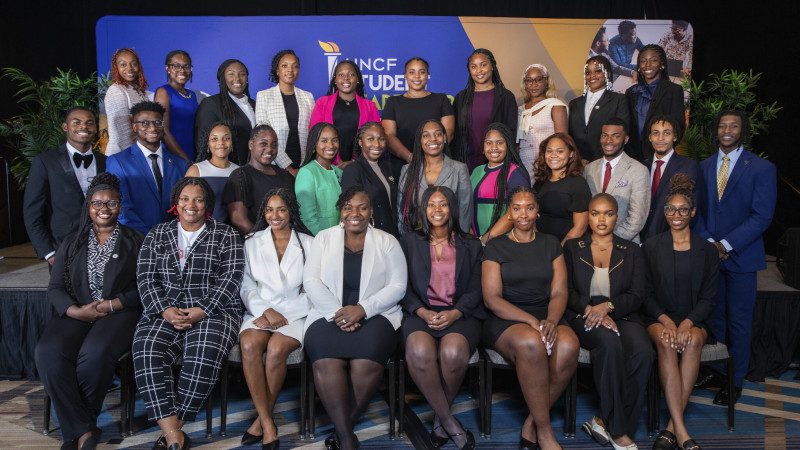 Leadership development also depends on access to education, professional networks and career opportunities. UNCF supports more than 50,000 students and awards more than $62 million in scholarships each year. Its scholarships, internships and academic programs help students continue their education and prepare for life after college.
UNCF also works with HBCUs through initiatives that strengthen institutions and improve student outcomes. Its Career Pathways Initiative, for example, helps participating HBCUs and predominantly Black institutions connect graduates with meaningful careers in their chosen fields.
Explore your campus involvement fair, student activities office and UNCF opportunities. The meeting you attend today could lead to a new skill, a trusted mentor or your first chance to lead.