What Junior Year Reveals About Your Future Success

Key Takeaways
- Junior year reveals patterns in academic growth, career readiness and resilience.
- Internships, research and leadership roles help turn college learning into practical skills.
- Faculty, alumni and career advisers can connect students with valuable opportunities.
- HBCU students can access scholarships, internships and professional development through UNCF.
- Junior year does not determine your future. It gives you time to strengthen it.
Junior year often feels like college’s turning point. You’ve moved beyond introductory courses, settled into your major and started thinking seriously about life after graduation. Suddenly, questions about internships, graduate school and career plans carry more weight.
Your third year can reveal important patterns in your academic progress, career readiness and personal growth. It doesn’t determine your future, however. Instead, junior year offers a valuable progress report and enough time to strengthen areas that need attention.
Your Academic Habits Show Growing Independence
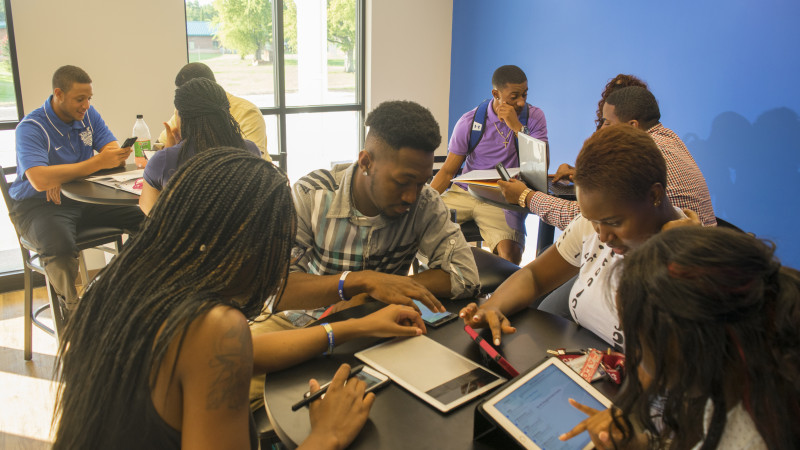 By junior year, your grades reflect more than your ability to adjust to college. Upper-level courses require deeper analysis, stronger communication and greater independence. Consistently completing assignments, seeking help when needed and recovering from setbacks can indicate that you have developed habits that will support you in senior year and beyond.
Your transcript tells only part of the story. Consider whether you can explain difficult concepts, connect ideas across courses and apply classroom knowledge to real situations. Those abilities often provide a clearer picture of your growth than one exam score.
If your academic performance has slipped, talk with a professor or adviser before the problem grows. Federal Student Aid notes that colleges require students to make satisfactory academic progress to maintain eligibility for federal financial aid. Your school establishes its own standards, so review its policy and ask what steps you can take.
Your Experiences Reveal Career Readiness
 Junior year also offers an ideal opportunity to turn learning into experience through an internship, research project, campus job, service-learning course or leadership role. The National Survey of Student Engagement identifies experiences such as internships, faculty-led research and community-based projects as high-impact practices because they support learning and student retention.
Meaningful experience also helps you identify what you want from a career. An internship might confirm your interest in a field or show you that another path suits you better. Both outcomes count as progress.
Use your experiences to assess the eight career-readiness competencies identified by the National Association of Colleges and Employers. They include career and self-development, communication, critical thinking, equity and inclusion, leadership, professionalism, teamwork and technology.
Don’t wait until senior year to visit your campus career center. A career adviser can help you refine your resume, practice interviews and connect your coursework with potential careers.
Your Relationships Reflect Your Support Network
 Success rarely grows in isolation. By junior year, you may have formed relationships with professors, classmates, alumni and campus staff who understand your goals.
Meaningful faculty relationships can strengthen your college experience and your plans. Research summarized by the National Survey of Student Engagement connects student-faculty interaction with cognitive growth, development and persistence.
At a historically Black college and university (HBCU), culturally affirming mentorship and a strong sense of community can play especially important roles. Your professors and alumni may help you find research opportunities, internships, professional organizations or graduate programs. Ask thoughtful questions, attend office hours and keep in touch with people whose guidance you value.
A growing network doesn’t mean collecting as many contacts as possible. Focus on building genuine relationships and supporting others in return.
Your Choices Show How You Respond to Challenges
 Junior year can bring heavier coursework, financial pressure, family responsibilities and uncertainty about the future. Success doesn’t require handling every challenge alone. Knowing when to use tutoring, counseling, financial aid advising or disability services demonstrates self-awareness.
Pay attention to how you manage stress. Can you set priorities, protect time for sleep and adjust when a plan stops working? Healthy coping strategies can help you sustain progress without sacrificing your well-being.
Financial planning also deserves attention. Review your remaining degree requirements, estimate senior-year costs and search for scholarships early. UNCF has helped more than 550,000 students earn college degrees and awards more than $62 million in scholarships annually through opportunities listed on its scholarship website.
Your HBCU Education Connects to Wider Opportunity
 For HBCU students, junior year also highlights the value of joining a powerful academic and professional tradition. According to UNCF’s 2024 HBCU Economic Impact Report, HBCUs generate $16.5 billion in economic impact and support more than 136,000 jobs.
UNCF programs can help students connect that collective impact with individual opportunity. The UNCF Toyota Scholars Program, for example, provides eligible HBCU sophomores and juniors in STEM with scholarships, career-readiness training and internship opportunities.
Explore UNCF scholarships and professional development programs alongside the resources available through your HBCU. Apply even if you don’t meet every preferred qualification. Junior year rewards action more than perfection.
Your future success depends less on having every answer now and more on recognizing your progress, using available support and taking the next purposeful step.