Beyond the Homecoming Celebration: What HBCUs Need from Their Alumni and Supporters Now
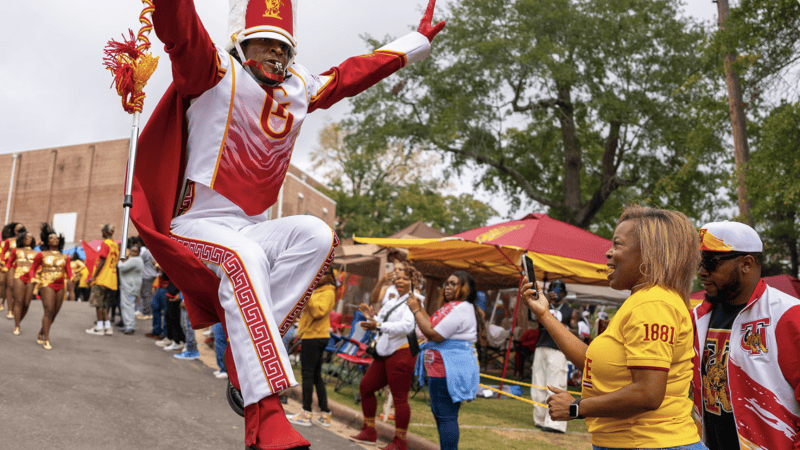
Students are back on campus and settling into the rhythm of the fall semester, which also means schools are putting finishing touches on their homecoming plans. Each one of our institutions carries its own storied traditions, many stretching back more than a century.
Over the years, homecoming has expanded well beyond athletics to a full weekend of pageantry, arts and culture and reunion. I’ve watched this unfold my entire life and certainly over the last 30 years as a college president and during my time as CEO of UNCF. And I’ve come to understand homecoming is something more than nostalgia. It is, for most HBCUs, the single most important fundraising catalyst for the year.
Alumni issue “class challenges” to their fellow graduates. Philanthropic partners time their major gifts to the moment. Thousands of alumni inject capital directly into their school by prioritizing direct campus fundraising campaigns, participating in matching gifts and purchasing high-dollar university vendor spots and tailgating passes, which can range from $400 to more than $750 a space.
These collective efforts regularly yield impressive results. It is common for top-performing institutions to break fundraising records during homecoming week. Clark Atlanta University secured more than $1.5 million in donor gifts during its first post-pandemic in-person homecoming. The University of Arkansas at Pine Bluff (UAPB) received a record $5 million gift from the Wingate Foundation during its homecoming week last year.
This year, fundraising around homecoming is even more critical.

The Divine Nine at a previous Tuskegee University’s Homecoming Week. Photo from Tuskegee University.
HBCUs are in the midst of a renaissance. They have never been more vital, visible or in greater demand.
HBCUs serve as economic engines for their surrounding communities, contributing $16.5 billion in total economic impact each year. They are hubs for research and innovation, and they remain, as they have always been, incubators of distinguished writers, artists and performers who shape this country’s culture.
They are also magnets for promising scholars. A growing number of institutions are experiencing their highest enrollment in history. Students continue to be drawn to HBCUs to pursue academic excellence in culturally enriched environments and safe havens.
Philanthropic leaders have taken notice, too. Major donors like MacKenzie Scott have made historic gifts to HBCUs, a powerful endorsement of their academic excellence and track record as a pathway to greater social mobility for graduates.
That’s the good news.
Now, the challenge: this renaissance is putting enormous pressure on the infrastructure and operating budgets of HBCUs. Too many of our institutions are struggling with a shortage of student housing and adequate classroom space and are educating in research labs that have not kept pace with advances in technology.
The maintenance of buildings, dorms and facilities has also fallen behind. A UNCF report revealed nearly two-thirds of HBCUs surveyed indicated they had more than $5 million in deferred maintenance. According to the U.S. Government Accountability Office (GAO), public HBCUs, on average, have total deferred maintenance of more than $60 million. Addressing this shortfall is more important today than ever.
HBCUs must expand their capacity to meet evolving workforce needs. A changing economy, projected talent shortages and AI-driven disruption demand graduates with new skills. Despite generations of underfunding, HBCUs have consistently delivered results and are well positioned to prepare the next generation of leaders across every sector.
The recent UNCF report, Still Punching Above Their Weight, reinforces the effectiveness of HBCUs. In 2022, HBCUs accounted for 16% of STEM degrees conferred to Black graduates, including 20% of Black women.
If America is serious about meeting its future challenges, it must ensure HBCUs have the financial strength and stability to serve students, uplift communities and advance the nation.
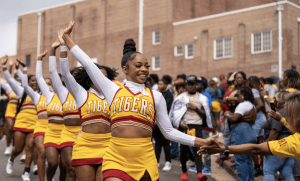
Left: The Crimson Piperettes, Tuskegee’s cheerleading squad, high fives alumni on campus. Photo from Tuskegee University.
So, this fall, I’m asking our alumni to do more than show up on campus. I am challenging our alumni to step up and build on the tradition of giving that has always made us strong.
Recent research by the TIAA Institute revealed HBCU alumni donor participation to be 5%—matching the broader U.S. higher education average. Some HBCUs, such as Bennett College, Claflin University, Spelman College and Tuskegee University, have alumni who give at rates above 25%.
However, the same research found that 95% of HBCU endowment funds are designated for student aid, compared with 40% nationally. This pattern creates a persistent shortfall in the resources that can be directed to other pressing needs—the buildings, the labs, the faculty and the future.
Leveling the playing field will require more than alumni generosity alone. It will take greater support from the federal government, corporations and philanthropists. And it will take long-term strategies to build assets and wealth.
UNCF has prioritized building endowments that can produce reliable revenue streams for institutions for generations to come—an innovative approach to put HBCUs on better footing.
Alumni, you don’t have to wait on any of this to act—you can take matters into your own hands by answering the call. This year, let’s celebrate homecoming by doubling our giving. Challenge your classmates to match you. And get ready to demonstrate your commitment at tailgates.
These are challenging times in higher education, especially for HBCUs. Such moments call for serious people, particularly HBCU alumni, to take serious action. The need will persist beyond the homecoming weekend, so alumni should also consider carrying this forward as a yearlong effort, with homecoming as the kickoff.
I have spent my career watching HBCUs solidify their place as a consistent bright spot in American higher education, punching well above their weight. Investing in them is investing in excellence, opportunity and the American dream. The question, as always, is whether we will match our institutions’ effort with our own. I believe we will.
A guest post from Dr. Michael L. Lomax, president and CEO, UNCF, the nation’s leading private provider of scholarships to college students and a major advocate for HBCUs and higher education. This article was originally published in The HBCU Times.